
How Do We Pause AI?
AI is not coded on a laptop. It is grown in the largest megaproject factories humanity ever built. We can limit the inputs the AI models need to grow: data, electricity, chips, and the work of the world’s most specialized engineers.
Modern AI development has the most brittle supply chain of any software product ever made. There’s so many ways to enforce a pause: data, energy, chips, computation, and social stigma.
People frequently oppose an AI Pause on the grounds that we cannot do it. They imagine a rogue hacker in a basement coding up some advanced AI. How could we ever stop them? Luckily, this hypothetical is diametrically opposed to how advanced AI is currently built.
Data, Energy, and Chips
There are 6 companies capable of building frontier AI- OpenAI, Anthropic, Google, xAI, Meta, and DeepSeek. Every other “AI company” is either using a model built by these 6, or supplying a component to these 6 e.g. NVIDIA supplies chips to these companies, Microsoft re-sells OpenAI and Anthropic models, Apple integrates with OpenAI’s ChatGPT and Google’s Gemini.
To build frontier AI, these companies have already used every word and image published on the open internet. Now they are turning to private data sources like your posts on Instagram, or conversations you have with the models. More and more data is required to train new models. That brings us to the Data Pause. If we do not allow these companies to train on private messages, business data, or we enforce copyright laws to remove what they already trained on, development will halt or slow down.
In addition to the data, the models require vast amounts of electricity. These AI companies are building giant factories (data centers) to create the models. And when I say giant, I mean GIANT. The AI Factory Meta is currently building in Louisiana, Project Hyperion, has a footprint the size of half of lower Manhattan.
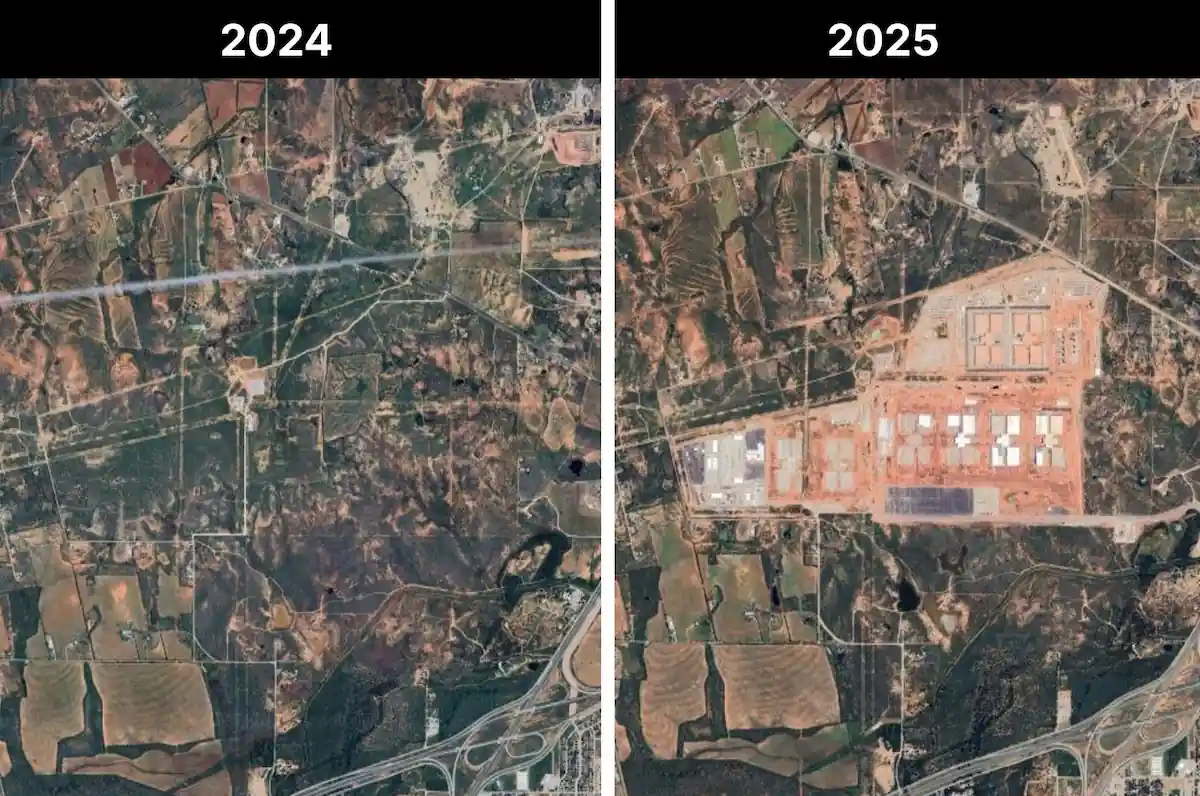
In order to power these factories, they need electricity. Microsoft is trying to reopen Three Mile Island. xAI is running diesel-powered turbines in Memphis. OpenAI and Anthropic have contracts to bring online 1 gigawatt of electricity. To get a sense of scale, 1.21 Gigawatts is the amount of energy Doc Brown required to travel through time in Back to the Future. It’s enough to power San Francisco (~800,000 homes). We could do an Electricity Pause and prevent them from powering their factories.
And then there’s the chips. AI is built in factories (data centers) that requires over 10,000 chips each which cost 10 billion dollars. These datacenters are racks and racks of chips that go on for miles.
But where do these chips come from? NVIDIA is the primary designer of these chips, which is why the company is worth 5 trillion dollars. Only NVIDIA and Google are able to design the chips to train frontier AI, just those 2 companies. And only Taiwan Semiconductor Manufacturing Corporation (TSMC) can manufacture them. Nobody else can make them. Not Intel, not Samsung, not any Chinese company. Just TSMC. These computer chips are the most complex and difficult to manufacture items humanity has ever created. It’s not easy! And how does TSMC make them? They use advanced EUV Lithography machines from ASML, a Dutch company that’s worth 25% of the Dutch stock market. Three times more than Ozempic parent company Novo Nordisk!
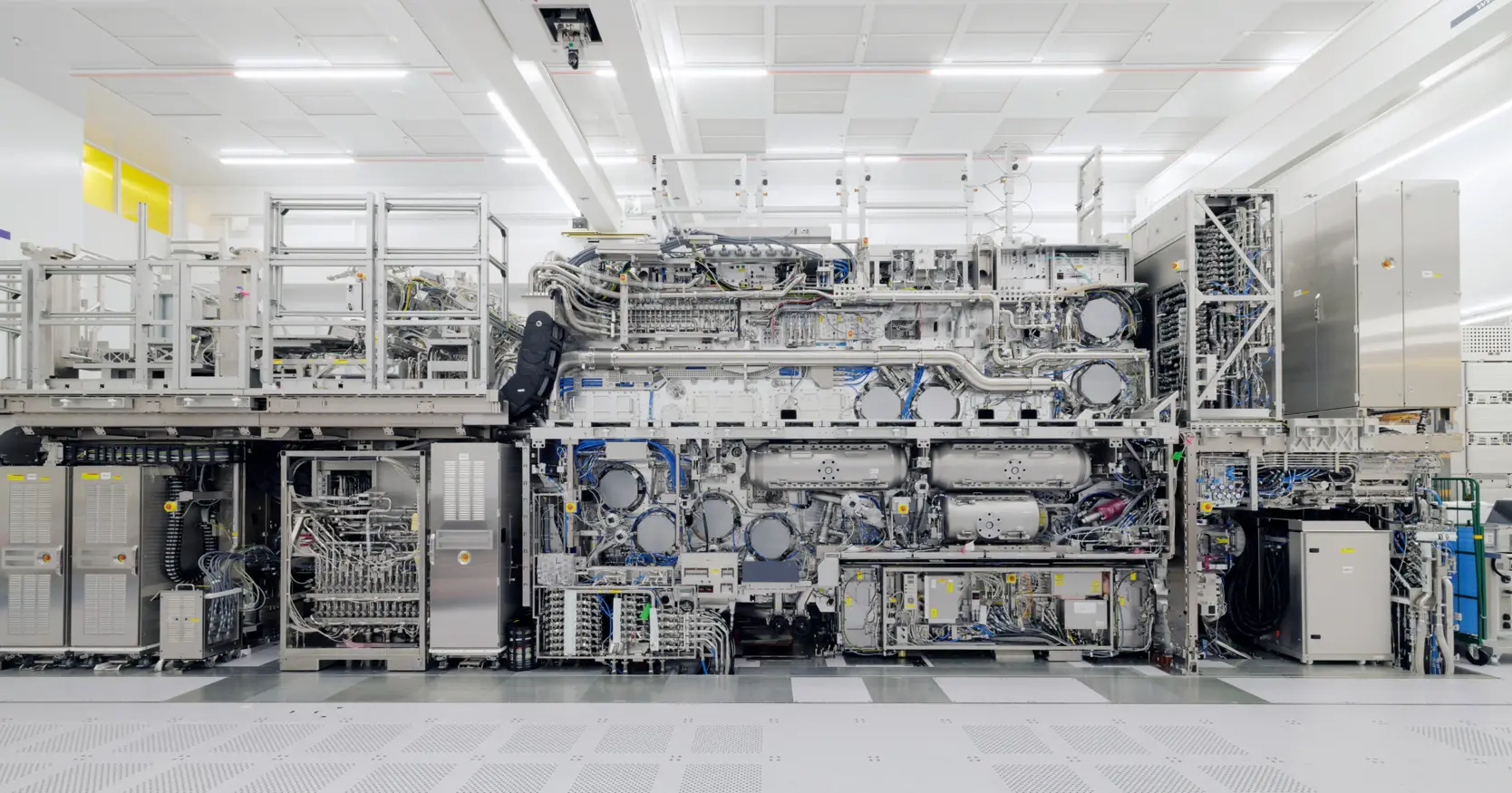
To recap, in order to build AI, 6 companies need to amass $10B worth of chips which all come from 2 designers (NVIDIA and Google), 1 manufacturer (TSMC), and 1 supplier (ASML). Every new AI model requires 10x more chips, so it only gets harder for them.
In policy circles, this is known as Compute Governance. We can closely track who makes these chips, who they sell them to, verify what they are used for, and track their location with satellite imaging. So we could detect if anyone is amassing a giant cluster.
Computational Thresholds
In addition to controlling inputs, we can also control the actual process of training advanced AIs. After these AI companies amass this data, energy, and compute, they use them for a “training run” which means performing calculations to create the AI model people talk to. The more calculations, the more intelligent and capable the models are. How many calculations are we talking here? Current models require 10^25 calculations. If every person on Earth did one calculation per second, it would take them about 40 million years to complete a single training run.
AI regulations like California’s SB 53 or New York’s RAISE Act require developers who exceed these thresholds to report to the government. We could make it illegal to exceed this computational threshold.
Social Stigma Slowdown
The above proposals would pause new AI releases. But even without the government, you can make a direct, individual contribution by talking about the dangers of recklessly building AI.
The researchers who are doing this often think of themselves as heroes. They think they’re breaking new ground, pushing frontiers, doing something they think is good. If we use our voice to reject them, say “What you are doing is wrong,” many of them would quit and go do something else.
This would slow down AI releases, giving us more time for our society and institutions to protect ourselves from the dangers. Even 1 year could make the difference between protecting our electrical grid from cyber attacks, or passing regulation to prevent AI-engineered pandemics. Every bit of time helps.
Making the World Better is Easy
In our current world, the most specialized engineers in history are using the most complex items ever manufactured with the most money ever put toward a project to develop AI.
In a Pause world, fewer researchers would be working on AI; data, energy, and chips flowing into the AI project would be reduced; and the government would closely monitor training runs that get close to the threshold.
Only a handful of companies are pushing the frontier of dangerous AI. We know who they are, and we can stop them. Pausing is eminently doable. We just need you to take action.
Contact Your Representative
Pausing is eminently doable. We just need you to take action.
Demand a Global Treaty